How to Find Reliable Jet A-1 Fuel Suppliers
Finding a Jet A-1 supplier is not primarily a search problem. For an airline, airport operator, fuel distributor or institutional buyer, the real work is identifying a counterparty that can supply the required specification at the required location, through an executable logistics chain, under payment and contractual terms the buyer can actually perform.
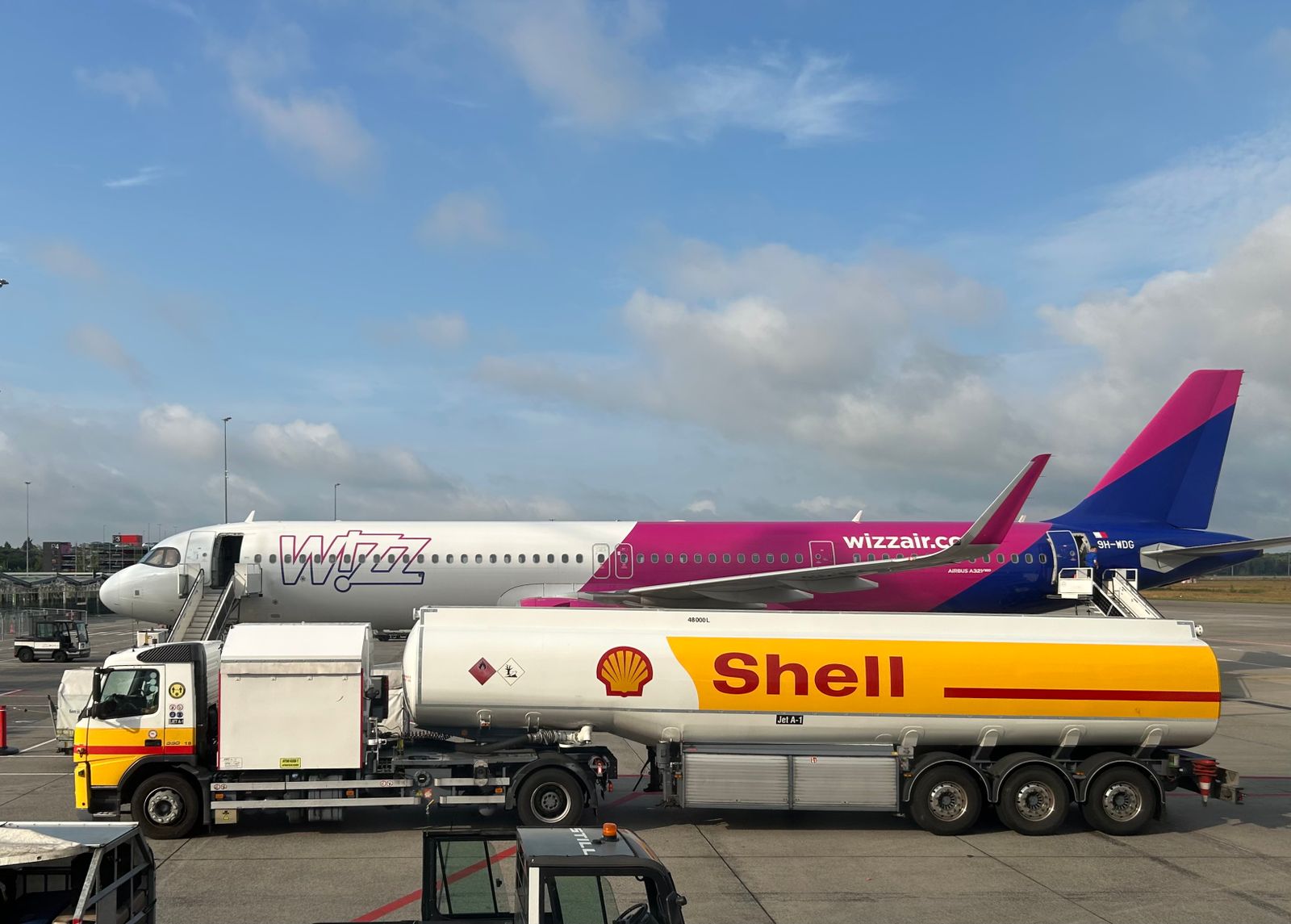
This distinction matters because the international petroleum market contains an unusually large number of intermediaries. Many have access to documents, procedures and purported allocations. Far fewer control product, maintain an enforceable supply relationship or have access to the terminal and logistics infrastructure required to deliver aviation fuel.
Institutional buyers therefore need a procurement process rather than a broker chain. Financely provides a dedicated Jet A-1 fuel sourcing and procurement service for commercial buyers seeking airport uplift supply or physical bulk cargoes.
Start With the Delivery Requirement
One of the most common mistakes in fuel procurement is asking the market for "Jet A-1" before defining where, when and how the product must be delivered. A supplier that can sell a cargo FOB from one terminal may have no ability to supply an airline into-plane at another airport. An airport fuel marketer may have excellent into-plane capability without participating in seaborne bulk cargo trading.
A procurement mandate should therefore begin with the operational requirement. For airport uplift, this includes the airport, expected monthly consumption, aircraft schedule, contract period, delivery mechanism, required credit days and any airport-specific infrastructure constraints. The applicable commercial price may include a benchmark-related fuel price plus airport differential, throughput, storage, hydrant, handling and into-plane charges.
A bulk cargo transaction requires a different data set. The buyer needs to specify parcel size, loading or discharge geography, Incoterm, delivery window, receiving terminal, tank availability, inspection regime, quantity tolerance and settlement structure. Without those parameters, supplier quotations are difficult to compare and often commercially meaningless.
Jet A-1 Is a Specification-Controlled Product
Aviation fuel procurement is not comparable to buying a generic petroleum commodity. Fuel quality must remain controlled throughout manufacture, storage, transport and delivery. Depending on the supply chain, commercial documentation may reference specifications including ASTM D1655 and DEF STAN 91-091 together with the relevant aviation-fuel quality framework.
The Joint Inspection Group maintains aviation fuel quality requirements used across a substantial part of the international supply chain. Its standards cover the movement of aviation fuel from upstream manufacture and storage through airport depots, hydrant infrastructure and into-plane fuelling.
For a commercial buyer, this has an important implication. Supplier due diligence should not stop at corporate registration and a product data sheet. The buyer needs to understand which entity has custody of the fuel, where title transfers, which terminal or airport infrastructure is involved and how product quality is preserved through the delivery chain.
Who Actually Supplies Jet Fuel?
There is no single supplier category. Depending on the transaction, a buyer may contract with a refinery, integrated oil company, physical commodity trader, aviation fuel marketer, regional distributor, airport concessionaire or another qualified physical supplier.
The correct counterparty depends on the required delivery point. For an airline buying recurring uplift at a major international airport, access to the local fuel farm, hydrant system and into-plane infrastructure may be more important than access to refinery production. In a bulk import transaction, terminal position, cargo nomination capability, freight and discharge arrangements become more significant.
This is why searching online for a list of "Jet A-1 suppliers" rarely solves the procurement problem. The buyer needs suppliers filtered against a specific location and delivery structure.
How Professional Jet Fuel Supplier Sourcing Works
Define the requirement
Establish specification, volume, delivery location, schedule, contract period, Incoterm and required payment structure before approaching counterparties.
Map the supply market
Identify counterparties with an operating footprint that corresponds to the airport, terminal, refinery or physical delivery corridor involved.
Qualify counterparties
Review corporate identity, operating history, physical supply capability, proposed supply chain and the entities responsible for product and logistics.
Issue a commercial RFQ
Request comparable pricing, volume, delivery, credit, inspection and contractual terms against the same procurement parameters.
Review commercial mechanics
Examine price formulas, quantity tolerances, nomination procedures, title transfer, delivery windows and payment requirements.
Progress to contracting
Move commercially viable suppliers into direct documentation, due diligence and contract negotiation with the purchasing principal.
How to Verify a Jet A-1 Supplier
Supplier verification is transaction-specific. A certificate of incorporation proves that an entity exists. It does not prove that it controls fuel. A refinery website does not prove that the person sending the offer has authority to sell refinery production. A terminal receipt, inspection report or storage document can also be genuine while being unrelated to the proposed seller or proposed transaction.
The objective is therefore to establish a coherent chain between the contractual seller, the proposed product source, storage or airport infrastructure, logistics provider and delivery point. The buyer should be able to understand how the seller expects to perform each material part of the contract.
- Full legal identity of the contractual seller and relevant beneficial ownership information
- Evidence of a credible operating footprint in petroleum or aviation fuel
- Clear product specification and proposed source of supply
- Identifiable terminal, airport or logistics infrastructure where relevant
- Commercially coherent pricing rather than unexplained discounts
- Executable inspection, nomination and delivery procedures
- Payment terms proportionate to the supplier's contractual obligations
- Direct communication between disclosed contractual principals before execution
Why Long Broker Chains Usually Fail
The petroleum market has developed its own ecosystem of ICPOs, SCOs, FCOs, NCNDAs and intermediary mandates. These documents can have legitimate uses. They do not substitute for physical supply capability.
Problems emerge when several intermediaries each claim to represent the next party in a chain. Commercial information becomes distorted, commissions accumulate and neither principal has direct access to the party expected to perform the transaction.
An institutional procurement process should reduce the number of parties between buyer and contractual supplier. Where an agent or introducer is involved, authority and compensation should be disclosed rather than hidden inside a chain of purported mandates.
Financely's aviation fuel procurement mandate is structured around end buyers and disclosed purchasing principals rather than anonymous chains of intermediaries.
Jet Fuel Pricing Should Be Commercially Explainable
A serious procurement process does not start by looking for a seller offering Jet A-1 hundreds of dollars below an observable market reference. Aviation fuel is produced, financed, stored, transported, inspected and delivered through infrastructure that carries a measurable economic cost.
Depending on the transaction, supplier pricing can incorporate a market benchmark together with refinery economics, regional differentials, freight, insurance, terminal charges, storage, throughput, airport charges and supplier margin. An airport uplift contract may have a completely different cost structure from a CIF bulk cargo.
Buyers should therefore compare the economic components of each offer rather than simply sorting quotations by headline price.
FOB, CFR and CIF Jet A-1 Transactions
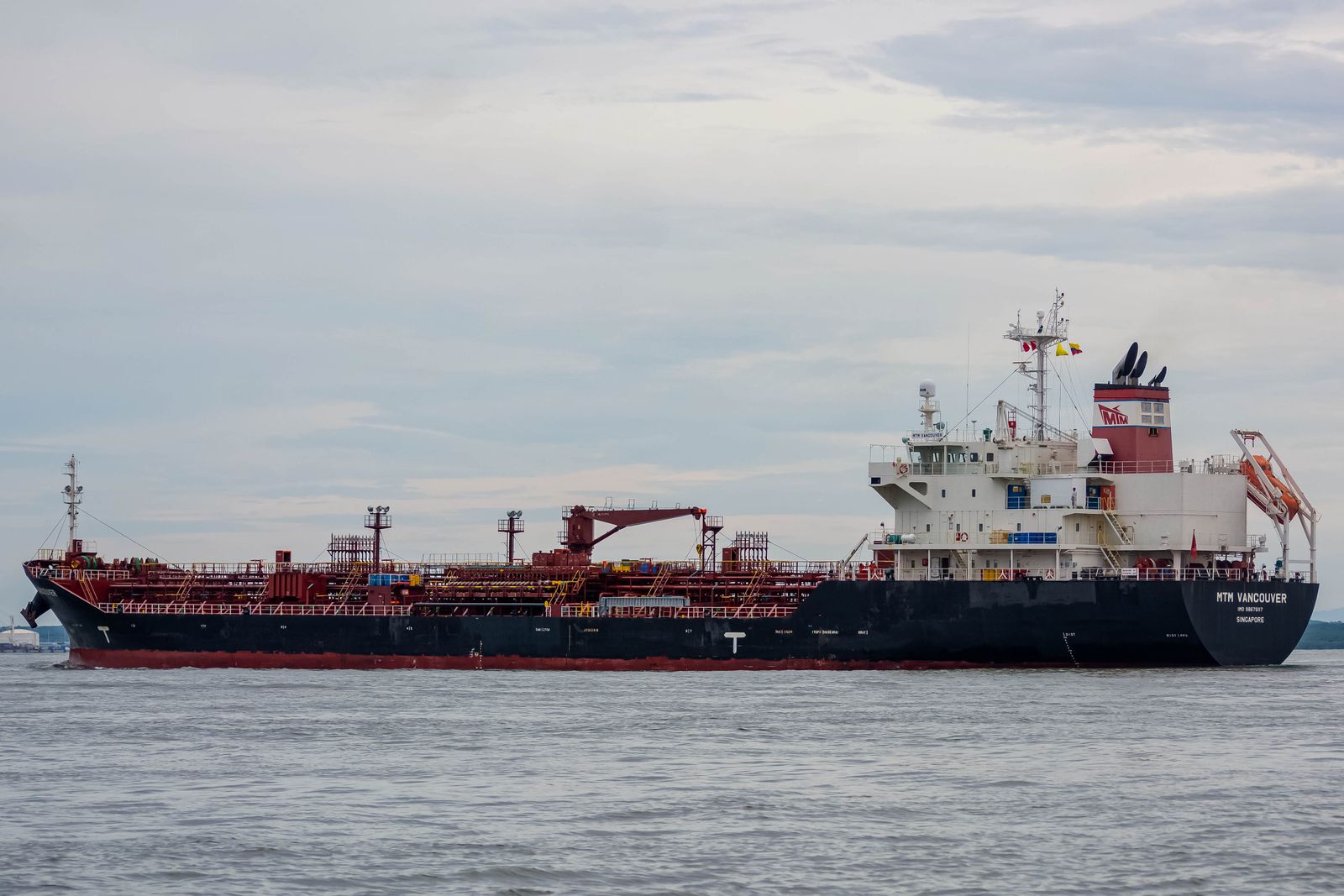
Bulk procurement often uses FOB, CFR or CIF structures. The Incoterm affects freight responsibility, insurance requirements and the point at which risk passes between the parties. It does not eliminate the need to verify the underlying supply.
An FOB buyer generally needs a workable vessel nomination and lifting structure. A CFR or CIF buyer needs to assess the seller's ability to arrange the ocean movement as well as the compatibility of the cargo with the destination terminal.
Receiving capability is equally important. A buyer requesting tens of thousands of metric tonnes without a defined discharge port, terminal relationship or storage arrangement will struggle to obtain serious supplier engagement.
Payment Terms Need to Match the Transaction
Jet fuel suppliers evaluate counterparty credit as carefully as buyers evaluate supply risk. The appropriate settlement mechanism depends on contract size, the relationship between the parties and the seller's credit requirements.
Transactions may involve documentary letters of credit, bank guarantees, secured payment terms, credit insurance or other forms of trade-finance support. Established airport customers may also negotiate credit periods subject to underwriting.
A payment instrument does not make an uneconomic transaction viable. Before banking documents are negotiated, the buyer and seller should already understand the product, quantity, price formula, delivery mechanism, documentary conditions and contractual obligations.
What Serious Suppliers Expect From Buyers
Due diligence runs in both directions. A credible supplier is unlikely to commit substantial product or credit capacity to an unidentified buyer whose only contribution is an ICPO.
Institutional buyers should be prepared to disclose the purchasing entity, expected consumption, receiving location and financial capacity appropriate to the proposed contract. For airport supply, suppliers may want historical uplift data or forecasts. For bulk cargoes, terminal and discharge arrangements are material to execution.
Buyers who are ready to transact generally receive more useful supplier responses because the counterparty can price an actual requirement instead of an abstract request for availability.
Using a Buy-Side Jet A-1 Procurement Mandate
Companies that do not already maintain direct relationships across the relevant fuel supply market can outsource the sourcing and qualification process.
Financely works on the buy side for airlines, ACMI operators, charter fleets, airport operators, FBOs, government aviation contractors, established distributors and other institutional fuel buyers. The mandate covers supplier identification, counterparty qualification, RFQ coordination, delivery-structure assessment, procedure review and transaction coordination toward contracting.
The current Jet A-1 fuel sourcing service carries a fixed USD 9,850 engagement fee. Financely currently targets mandates with at least USD 5 million in expected annual procurement. Physical bulk cargo requirements generally require a minimum lifting of 5,000 metric tonnes.
The service is intended for B2B procurement and disclosed principals. Supplier availability, final pricing and execution remain subject to counterparty acceptance, due diligence and the commercial terms ultimately agreed between buyer and supplier.
Have a Defined Jet Fuel Requirement?
If your company requires recurring airport uplift or physical bulk Jet A-1 supply, Financely can run the procurement process against your required volume, delivery point, specification and commercial structure.
The mandate covers supplier identification, qualification, RFQ coordination, proposed procedures, delivery terms and commercial progression toward a direct fuel supply contract.
View Jet A-1 Procurement ServiceFixed engagement fee: USD 9,850. Minimum eligibility applies. Product cost, freight, inspection, storage, banking costs and third-party professional fees are separate from the sourcing engagement.