
Trade Finance Advisory Fees & Costs in 2026
Find The Right Lender Faster. Access 12,000+ Lenders.
AI Lender Match helps business owners, investors, and sponsors identify lenders that fit their deal profile without wasting weeks on cold outreach. Get a smarter starting point for acquisitions, commercial real estate, trade finance, and structured debt transactions.
How Much Does Trade Finance Advisory Cost?
Trade finance advisory fees depend on the structure of the transaction and the work required to make it financeable. A straightforward receivables facility can require a different team from a cross-border commodity trade involving an LC, borrowing base and several counterparties.
Advisors may need to understand the purchase contract, buyer payment terms, supplier obligations, logistics, insurance and repayment cycle. They can also evaluate which financing instrument fits the transaction.
Professional mandates therefore commonly combine an advisory retainer with a transaction-based fee. Bank charges and external professional costs can sit outside that arrangement.
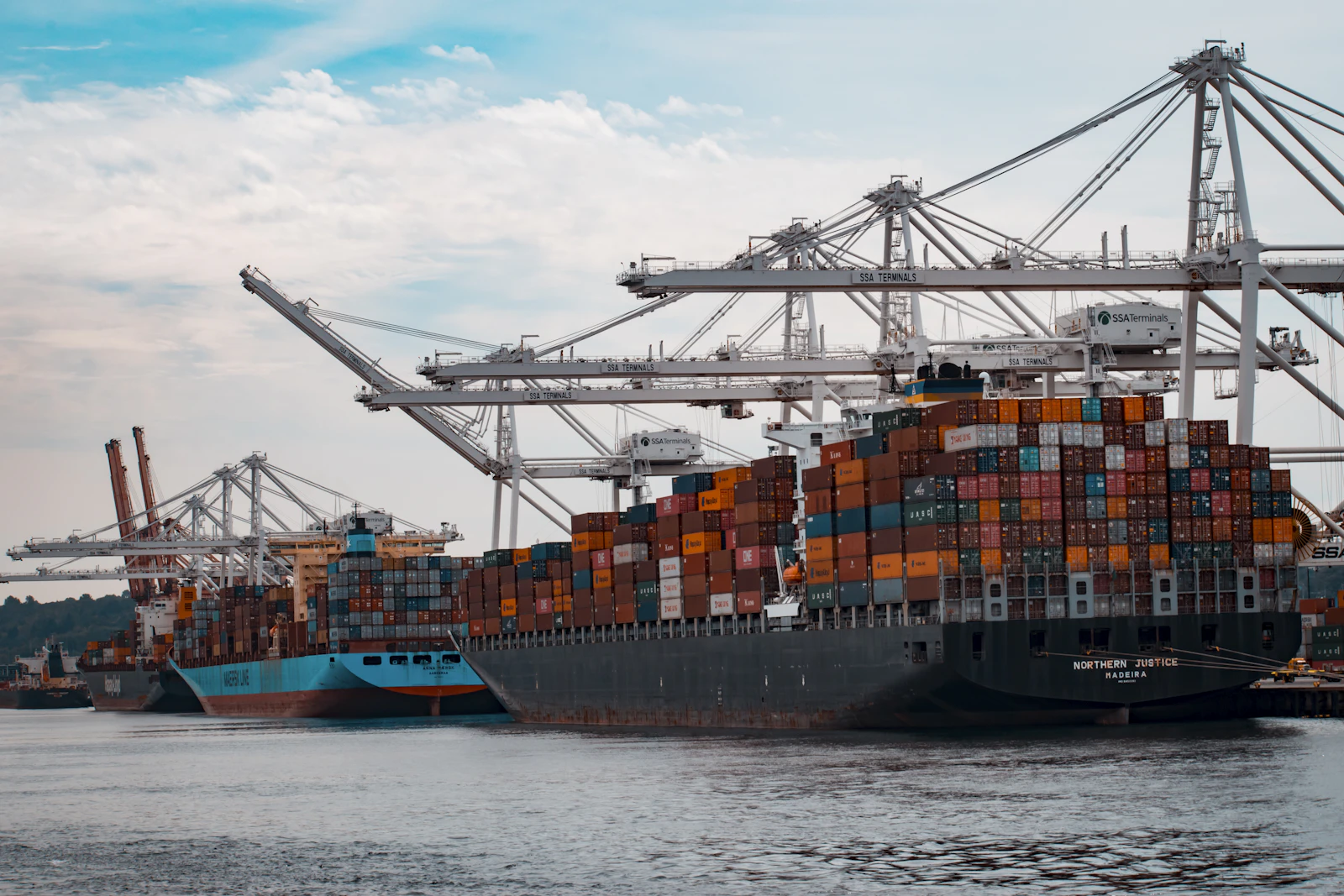
Trade Finance Requires Specialized Transaction Knowledge
A serious trade finance process can require structured finance professionals, credit analysts, lawyers and compliance specialists. Commodity transactions may also require professionals who understand logistics, warehouse controls and physical trade risks.
Typical Trade Finance Advisory Fee Structure
Trade finance pricing can include several separate cost categories. Professional advisory fees should be distinguished from the charges imposed by banks or lenders.
| Fee Component | What It Covers | Typical Timing |
|---|---|---|
| Advisory Retainer | Transaction review, structuring, lender preparation, documentation support and execution resources. | Usually payable when the mandate starts. |
| Transaction Fee | Compensation linked to an agreed financing or placement outcome. | Payable according to the engagement terms. |
| Bank Fees | LC issuance, confirmation, amendment, acceptance, discounting or other banking services. | Charged by the relevant bank. |
| Lender Fees | Arrangement, commitment, utilization or facility fees. | Depends on the financing facility. |
| Legal Costs | Facility documents, assignments, security documents and legal opinions. | Usually treated as external professional expenses. |
| Due Diligence | Credit, commodity, collateral, insurance, sanctions and counterparty review. | Depends on transaction complexity. |
What Does the Trade Finance Retainer Pay For?
Trade finance starts with the underlying commercial transaction. An advisor needs to understand how goods move and when cash moves between the parties.
The advisor can then determine where the financing gap exists. A buyer may need financing before shipment. A trader may need liquidity while waiting for deferred payment. Another company may need an LC facility instead of direct cash financing.
Financely provides structured trade finance advisory services for qualifying cross-border transactions.
Transaction Review
Examine contracts, counterparties, payment terms, logistics and the trade cycle.
Credit Analysis
Assess buyer quality, repayment sources, collateral and transaction risks.
Structuring
Select a workable facility such as an LC, receivables line or borrowing base.
Packaging
Prepare the transaction information required by banks and private credit providers.
Placement
Identify lenders whose mandates fit the commodity, geography and facility size.
Execution
Coordinate diligence, documentation and commercial negotiations.
Who Works on a Trade Finance Transaction?
Trade finance sits at the intersection of credit, international commerce and logistics. This can make specialist experience particularly important.
The rates below are illustrative budgeting ranges. They show the potential value of professional time and are not a public Financely hourly tariff.
| Professional | Illustrative Hourly Rate | Typical Qualifications | Role |
|---|---|---|---|
| Structured Trade Finance Advisor | USD 300 to USD 750+ | Senior banking, commodity finance, private credit or structured trade finance experience. | Leads transaction structuring and capital provider negotiations. |
| Trade Credit Analyst | USD 150 to USD 350+ | Commercial banking, credit underwriting or trade finance experience. | Reviews buyer risk, repayment sources, leverage and facility coverage. |
| Commodity Finance Specialist | USD 250 to USD 600+ | Physical commodity trading, structured commodity finance or specialist banking background. | Reviews trade economics, commodity flows and financing structures. |
| Financial Modeler | USD 150 to USD 400+ | Corporate finance, trade finance or cash flow modeling expertise. | Models the trade cycle, facility utilization and repayment timing. |
| Trade Finance Lawyer | USD 400 to USD 1,500+ | Qualified lawyer experienced in banking, trade documentation and cross-border finance. | Reviews facility agreements, assignments, security and documentary instruments. |
| KYC and Sanctions Specialist | USD 125 to USD 300+ | AML, banking compliance or sanctions experience. CAMS or related qualifications may be relevant. | Reviews ownership, counterparties, sanctions exposure and transaction compliance. |
| Credit Insurance Specialist | USD 150 to USD 400+ | Trade credit insurance or structured risk experience. | Assesses buyer risk coverage and insurance-supported financing options. |
| Collateral or Warehouse Specialist | USD 175 to USD 450+ | Collateral management, inspection, warehousing or commodity operations experience. | Reviews inventory controls and lender access to financed goods. |
| Logistics Specialist | USD 150 to USD 350+ | Shipping, terminal, freight or physical commodity logistics experience. | Reviews delivery procedures and operational feasibility. |
Important: Actual professional rates can vary materially by firm, geography and seniority. Complex commodity transactions can also require specialist inspection, collateral and legal providers.
The Role of the Structured Trade Finance Advisor
The senior advisor determines how the commercial transaction can be financed. This requires an understanding of both credit risk and the underlying trade.
The advisor may compare receivables finance, inventory finance, a revolving line and documentary credit structures. The correct facility depends on where liquidity is trapped during the trade cycle.
Financely's trade finance structuring for commodity transactions service focuses on this analysis for physical trade.
The Role of the Credit Analyst
A trade finance lender needs to understand how it will be repaid. This makes credit analysis central to the financing process.
The analyst can review historical trading performance, gross margins, working capital and buyer payment behavior. They may also evaluate existing leverage and available collateral.
A borrowing base facility requires an additional analysis of eligible assets. Financely's borrowing base financing page covers this type of structure.
The Role of the Commodity Specialist
Commodity finance can require detailed knowledge of physical trading. The lender needs to understand more than the invoice value.
Price volatility, storage, inspection, title transfer and logistics can affect the credit risk. Different commodities also have different market structures.
Financely's commodity trade finance service covers financing for qualifying physical commodity transactions.
The Role of the Trade Finance Lawyer
Trade finance can involve several agreements at once. The commercial contract has to work with the financing structure.
Counsel may review assignments of receivables, security agreements and facility documentation. Letter of credit transactions can also require review of instrument wording and applicable rules.
Companies using documentary credits can review Financely's documentary letter of credit services.
The Role of KYC and Sanctions Specialists
Cross-border transactions create compliance requirements for lenders and banks. Every major counterparty can become part of the review.
Specialists may examine beneficial ownership, jurisdictional exposure and sanctions risk. They can also review whether transaction activity is consistent with the stated commercial purpose.
Financely's guide to KYT in trade finance covers transaction-level controls in more detail.
How Much Professional Time Can Trade Finance Require?
Trade finance mandates can vary from relatively simple bilateral facilities to complex structured commodity transactions. The workload below shows how professional time can accumulate.
| Workstream | Illustrative Hours | Typical Work |
|---|---|---|
| Transaction Assessment | 15 to 35 hours | Contract review, financing gap analysis and transaction mapping. |
| Credit Analysis | 15 to 40 hours | Buyer, seller, borrower and repayment analysis. |
| Structuring | 20 to 50 hours | Facility design, collateral structure and risk allocation. |
| Transaction Packaging | 15 to 45 hours | Lender memorandum, trade flow and supporting documents. |
| Capital Provider Mapping | 20 to 50 hours | Identification of banks and lenders with suitable mandates. |
| Placement and Negotiation | 30 to 100+ hours | Lender discussions, diligence and term negotiations. |
| Closing Support | 20 to 80+ hours | Documentation, conditions and transaction coordination. |
Illustrative Professional Resource Cost
The following example shows the professional resource value that can accumulate during one structured trade finance mandate.
| Professional | Illustrative Hours | Illustrative Rate | Resource Value |
|---|---|---|---|
| Senior Trade Finance Advisor | 30 hours | USD 500/hour | USD 15,000 |
| Credit Analyst | 40 hours | USD 225/hour | USD 9,000 |
| Commodity Specialist | 20 hours | USD 350/hour | USD 7,000 |
| Financial Modeler | 25 hours | USD 250/hour | USD 6,250 |
| Compliance Coordination | 15 hours | USD 200/hour | USD 3,000 |
| Total Illustrative Resource Value | 130 hours | Blended | USD 40,250 |
This example represents professional resource value rather than a fixed advisory price. Complex legal work and prolonged lender negotiations can increase the total workload.
How the Financing Instrument Changes Advisory Costs
Different trade finance instruments require different analysis. An advisor should select the structure based on the underlying commercial cycle.
| Structure | Typical Use | Additional Advisory Focus |
|---|---|---|
| Documentary LC | Supports payment to a supplier against compliant documents. | Instrument wording, issuing bank capacity and document flow. |
| Receivables Finance | Advances against invoices owed by acceptable buyers. | Buyer quality, dilution and receivable eligibility. |
| Inventory Finance | Provides liquidity against eligible goods. | Storage, title, valuation and collateral controls. |
| Borrowing Base | Revolving financing based on eligible receivables or inventory. | Eligibility criteria, advance rates and lender reporting. |
| Trade Finance Bridge | Covers a short timing gap during the transaction cycle. | Defined repayment event and short-duration execution risk. |
| Revolving Facility | Supports recurring transactions rather than one isolated trade. | Historical trading performance and ongoing facility controls. |
Receivables Finance Advisory Costs
Receivables finance focuses heavily on the quality of the account debtor. A lender can advance against eligible invoices and receive repayment when the buyer pays.
Advisors may need to review debtor concentration and historic payment behavior. Contract terms and invoice disputes can also affect eligibility.
Financely's receivables lending service covers financing against qualifying commercial receivables.
Inventory and Borrowing Base Advisory Costs
Inventory-backed facilities can require more operational diligence than unsecured working capital facilities. Lenders need confidence that eligible inventory exists and can be controlled.
The process may involve warehouse reporting, inspections and collateral management. Advance rates can change based on the liquidity and volatility of the financed goods.
Financely's inventory finance and borrowing base facility page covers these structures in greater detail.
Letter of Credit Advisory Costs
An LC mandate can involve both the commercial transaction and the bank facility used to issue the instrument. The applicant needs sufficient credit capacity with an issuing institution.
The advisor may work on transaction preparation, bank relationships and instrument selection. Additional costs can arise from issuance and confirmation.
Financely provides letter of credit consulting for trade finance where businesses require specialist advisory support.
Trade Finance Bridge Advisory Costs
Some transactions have credible economics but suffer from timing gaps. A trader may need to pay logistics or acquire goods before receiving money from a buyer.
These mandates require a clear repayment event. The advisor needs to identify exactly which future payment repays the bridge.
Financely's bridge finance for trade finance timing gaps addresses this type of requirement.
What Makes Trade Finance Advisory More Expensive?
- Several jurisdictions
- Weak buyer credit
- Complex commodity flows
- Unclear product title
- Unverified counterparties
- Incomplete purchase contracts
- Large inventory positions
- Multiple financing instruments
- Sanctions-sensitive markets
- Complex warehouse controls
- Several lender groups
- Long deferred payment terms
Transaction Packaging Can Reduce Friction
Lenders need enough information to understand the complete trade cycle. Poorly organized transaction files can create repeated information requests.
A strong package typically identifies the buyer, seller, borrower and financing need. It can also describe logistics, margins and the source of repayment.
Financely provides a trade finance transaction packaging service for businesses that need an institutional financing package.
Why Lender Selection Matters
Trade finance lenders have different mandates. Some focus on commodity traders while others prefer receivables from investment-grade buyers.
Lenders can also have minimum transaction sizes and geographic restrictions. A strong placement process therefore focuses on relevant capital providers.
Financely's bank introductions for trade finance service supports qualifying transactions that require relevant banking relationships.
What Should Be Ready Before Hiring a Trade Finance Advisor?
- Company financial statements
- Purchase contract
- Sales or offtake contract
- Buyer information
- Supplier information
- Transaction amount
- Expected gross margin
- Payment terms
- Logistics procedure
- Shipping information
- Existing banking facilities
- Requested financing structure
- Repayment source
- Collateral information
How Financely Approaches Trade Finance Advisory
Financely starts with the underlying transaction and financing gap. The team reviews the trade cycle and identifies a structure that can be presented to relevant capital providers.
Depending on the transaction, the solution can involve receivables finance, inventory finance or a borrowing base. Documentary credits and short-term bridge facilities can also be considered.
Companies seeking a broader overview can review Financely's trade finance services for global businesses.
| Stage | Work Performed | Objective |
|---|---|---|
| 1. Intake | Review the transaction, contracts and financing requirement. | Understand the complete trade cycle. |
| 2. Underwriting | Assess counterparties, margins, repayment and transaction risk. | Determine commercial financeability. |
| 3. Structuring | Select the appropriate credit facility or banking instrument. | Match financing to the cash cycle. |
| 4. Packaging | Organize transaction information and lender materials. | Prepare an institutional financing package. |
| 5. Placement | Approach appropriate banks, funds and specialty lenders. | Generate qualified financing discussions. |
| 6. Execution | Coordinate diligence and commercial negotiations. | Advance suitable proposals toward closing. |
Request Trade Finance Advisory Terms
Submit the underlying contracts, transaction size, buyer and supplier details, payment terms and requested financing structure. Financely can review the transaction and determine the appropriate advisory scope.
Frequently Asked Questions
How much does a trade finance advisor charge?
Trade finance advisory fees depend on transaction size, structure, jurisdiction and documentation quality. Placement requirements and the financing instrument also affect the scope.
Why do trade finance advisors charge retainers?
Trade finance transactions require analysis before approaching capital providers. The work can include transaction underwriting and counterparty review. It can also include structuring, lender materials and placement preparation.
What professionals work on a trade finance transaction?
A transaction may involve a structured trade finance advisor and credit analyst. Commodity specialists, lawyers, compliance professionals and collateral specialists can also participate.
What affects trade finance advisory costs?
Important factors include transaction size, product type and buyer credit quality. Supplier terms, jurisdiction, collateral and documentation also matter.
Are letter of credit costs included in advisory fees?
Bank issuance, confirmation, discounting and SWIFT charges are generally separate from professional advisory fees. Exact costs depend on the issuing bank and transaction structure.
What is a trade finance transaction fee?
A transaction fee is compensation linked to an agreed financing or placement outcome. Its structure depends on the engagement terms and applicable rules.
Can trade finance advisory fees be paid only at closing?
Some mandates combine an upfront retainer with a closing-related fee. Substantial underwriting and structuring work occurs before a lender makes a final financing decision.
Does Financely guarantee trade finance approval?
Financing remains subject to bank or lender underwriting, documentation and compliance. Financely provides advisory and placement services on a best-efforts basis.
This article is provided for general informational purposes. Professional rates and workload examples are illustrative and can vary materially by jurisdiction, firm, seniority and transaction scope. Bank charges and lender costs can also vary. The information does not constitute legal, tax, investment or financing advice. Financely is not a bank, lender, broker-dealer or investment adviser. Services are provided on a best-efforts and mandate-based basis. Transactions remain subject to KYC, AML, sanctions screening, underwriting and capital provider approval.
Independent Capital Advisory
About Financely
Financely is an independent capital adviser focused on trade finance, project finance, commercial real estate and M&A funding. We structure, underwrite and place transactions through regulated partners across banks, funds and insurers.
Our work is transaction-specific. We assess the underlying financing requirement, commercial structure, repayment mechanics, collateral, documentation and counterparty risks before preparing opportunities for lender or investor review.
In trade and commodity finance, this includes analysis of the underlying trade, payment mechanics, market evidence, collateral controls and compliance risks. Engagements are undertaken on a best-efforts basis and do not constitute a commitment to lend or invest. All transactions remain subject to KYC, AML, due diligence, credit approval and counterparty requirements.

Trade Finance Expertise
Institutional Trade Finance Experience
Financely combines experience across documentary credits, structured trade finance, commodity finance, structured credit and working-capital facilities with transaction structuring, underwriting preparation and capital placement capabilities.
Our trade finance capabilities cover import, export, pre-shipment, post-shipment and commodity-backed financing structures across Europe, Africa, the Middle East, South Asia and Southeast Asia. We assess the commercial transaction alongside the proposed financing structure, including payment mechanics, counterparties, collateral, repayment sources and transaction controls.
Financely supports importers, exporters, commodity traders, manufacturers and other operating companies with structuring, underwriting preparation and placement of financing opportunities with banks, private credit funds, specialty lenders, insurers and other institutional capital providers.
Our work may include documentary credit structures, supplier financing, receivables facilities, inventory financing, borrowing-base facilities, pre-export finance and other structured working-capital solutions. Each mandate is developed around the underlying trade flow, credit profile and requirements of prospective financing providers.
Trade Finance Capabilities
- Documentary letters of credit under UCP 600
- Standby letters of credit under ISP98
- UPAS and supplier-payment structures
- Import and export financing
- Pre-export and pre-shipment facilities
- Post-shipment financing
- Receivables discounting and financing
- Inventory-backed facilities
- Commodity-backed working-capital facilities
- Borrowing-base financing structures
- Collateral-control structures
- Structured credit and private debt facilities
Underwriting & Execution
- Transaction structure and financing analysis
- Trade-flow and repayment-source assessment
- Counterparty and commercial-document review
- Collateral and security-package structuring
- Cash-control and repayment mechanisms
- KYC, AML and compliance coordination
- Credit memorandum and lender-package preparation
- Financial and transaction data-room preparation
- Lender and capital-provider identification
- Financing structure and term-sheet coordination
- Documentation-process coordination
- Financing placement and execution support
Financely's trade finance capabilities include postgraduate finance qualifications and professional experience across banking, structured credit, documentary trade finance, working-capital finance and cross-border commodity transactions. Sector exposure includes energy, metals, agricultural commodities, industrial products and general import-export trade.
Advisory Services
Find the Right Financing Service
Select the financing category relevant to your transaction. Each mandate is assessed based on transaction structure, capital requirement, execution readiness and lender suitability.
Trade Finance Advisory
Structuring and placement for importers, exporters, commodity traders and companies executing cross-border transactions. Mandates may involve documentary credits, commodity-backed facilities, receivables, inventory and structured working capital.

Project Finance Advisory
Debt and capital advisory for renewable energy, infrastructure, industrial and other capital-intensive projects. Financely supports sponsors with financing structure, lender preparation and capital placement.

Commercial Real Estate Finance
Capital advisory for commercial property acquisitions, developments, bridge transactions, construction projects and refinancing requirements.

M&A and Acquisition Finance
Capital structuring for acquisitions, buyouts, sponsor-backed transactions and strategic corporate purchases. Mandates may combine senior debt, private credit, bridge capital and mezzanine financing.

Private Credit and Structured Debt
Bespoke debt structures for companies and sponsors requiring institutional capital outside conventional bank lending parameters.

Financely Structured Finance Insights
