

Lender Introductions for Logistics Companies
Haulage, warehousing and third-party logistics businesses carry heavy assets, tight margins and receivables from large shippers. Lenders like some of that and worry about the rest. That is also true for 3PL lender introductions, where the contracts and receivables often matter as much as the assets.
Financely prepares a pitch deck and credit memo that present the fleet, contracts and receivables clearly, then introduces the deal to lenders whose mandates cover logistics. Introducing a haulage or warehousing business to lenders follows the same order: a complete deck and memo, a lender list you approve, then outreach.
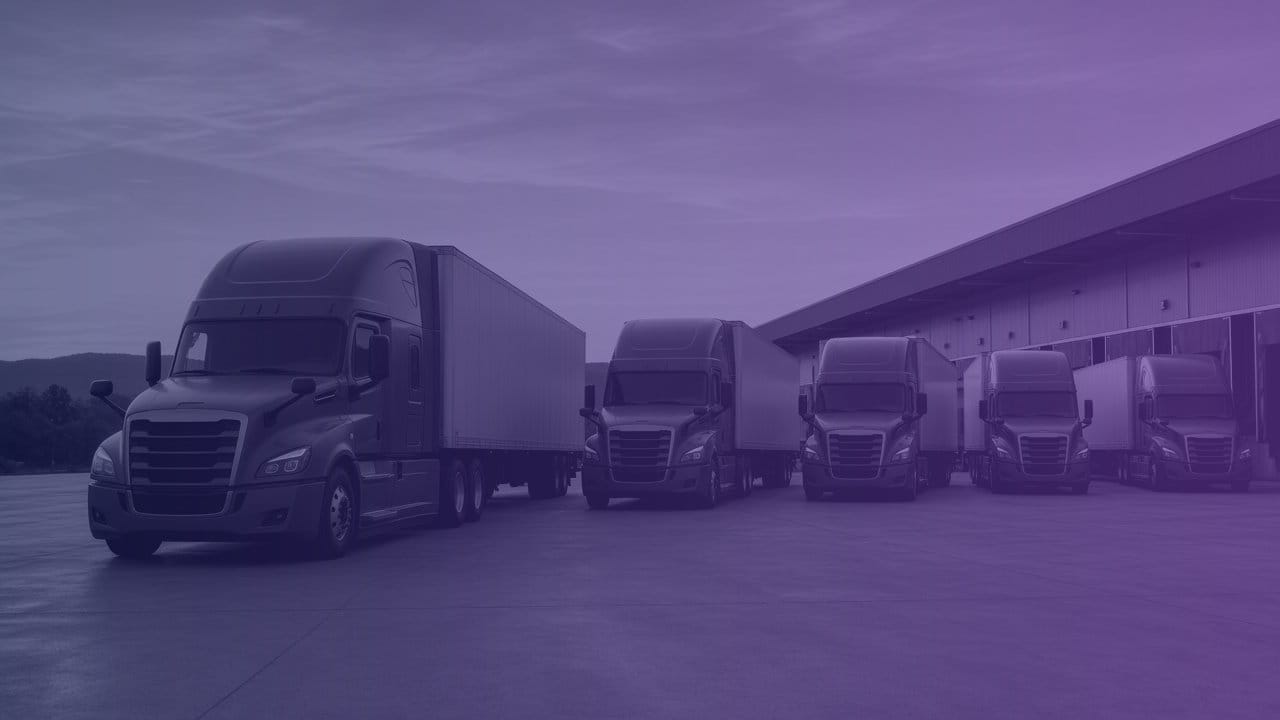
What lenders look at in a logistics business
Fleet and equipment
Age, ownership, existing liens and resale values of trucks, trailers and handling equipment.
Customer contracts
Length, renewal history, rate terms and concentration among shippers.
Receivables
Payment terms, aging and quality of the shippers that owe you money.
Cost exposure
Fuel, labor and maintenance, and how much can be passed through to customers.
Typical needs and the structures lenders use
| Need | Common structure | What the lender sizes on |
|---|---|---|
| Fleet replacement or growth | Equipment loan or lease | Equipment value and cash flow |
| Working capital | Receivables line or factoring | Eligible receivables |
| Acquisition or roll-up | Cash flow term loan or unitranche | Combined EBITDA and total debt |
| Refinancing several lenders | Consolidated facility | Assets and cash flow together |
For acquisitions, see how lenders view third-party logistics and fulfilment acquisitions and roll-ups of haulage fleets. This page covers the introduction itself.
Which lenders we approach
We match the deal to equipment lenders, receivables and asset-based lenders, banks and private credit funds whose mandates fit your size, geography and structure. You approve the list before outreach. Introductions run in waves, as explained in how many lenders should see your deal.
Financely is an advisor and arranger, not a lender. It does not guarantee introductions, term sheets or funding. Every lender applies its own underwriting, due diligence and credit approval.
How the engagement works
- You order the package and share the data: financials, projections, use of funds, collateral details and management background.
- Financely drafts the pitch deck and credit memo, typically in 5 to 7 business days once the data is complete.
- You review and approve the documents and the lender list.
- Outreach starts: introductions, lender Q&A, follow-ups and introduction calls toward term sheets.
The deck, memo and outreach package
| Item | What it is | Published fee |
|---|---|---|
| Deck and memo preparation | Pitch deck and credit memo built for credit review | USD 3,500 |
| Lender outreach campaign | Targeted introductions, Q&A and call coordination | USD 3,000 |
| Total | Preparation plus outreach | USD 6,500 |
Full terms are on the pitch deck and credit memo package for logistics companies page. To understand why the route in matters, read warm vs cold lender introductions, then prepare for the lender introduction call.
Put your fleet and contracts in front of the right lenders
Order the package, share fleet, contract and receivables data, and approve the deck, memo and lender list before outreach begins.
Related lender introduction pages
Frequently asked questions
Can a smaller logistics company use a lender introduction package?
Yes, if there is a real financing need and data to support it. Lenders set their own minimum sizes and criteria. The file has to present the fleet, contracts and receivables clearly, and you approve the lender list before outreach. Financely does not guarantee introductions, term sheets or funding.
What data do you need?
Here is what data you need for lender introductions for logistics companies: financials, projections, a fleet list with liens, customer contracts, receivables aging, use of funds and management background. Lenders also ask about fuel, labor and maintenance costs and how much you pass through to customers, so include that detail. Drafting starts once the data is complete.
Do you finance trucks directly?
No. Financely is an advisor and arranger. It prepares the file and introduces the deal to lenders. Equipment lenders, receivables and asset-based lenders, banks and private credit funds make their own credit decisions, and you approve which of them see the deal before outreach.